
Joe Fiorello: An Artist’s Life on the Outer Cape
An Original Four-Part Series ( Part 1 )
By Tracy Pease
In this four-part series, The Writer's Block explores the life and work of Outer Cape artist Joe Fiorello—sculptor, painter, printmaker, curator, and longtime contributor to Provincetown's artistic community. Inspired by Fiorello's personal reflections on decades of creating and collecting art, the series follows his artistic journey from early experimentation and profound loss to community stewardship and the promise of a new creative chapter in Truro.
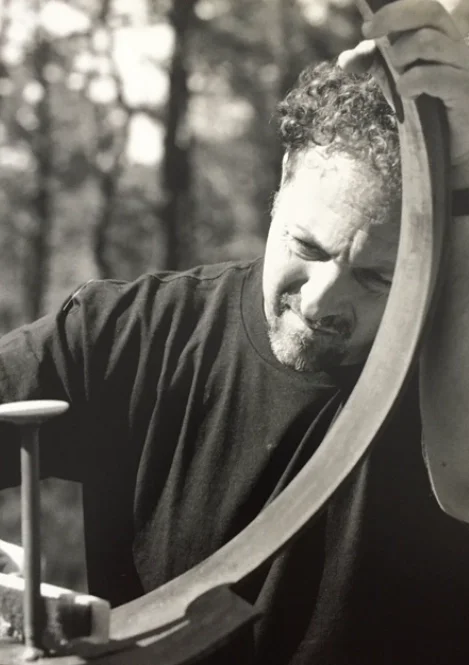
Editor's Introduction: Rediscovering an Artist's Life
What began as a simple effort to learn more about Outer Cape artist Joe Fiorello became something considerably more interesting: an opportunity to revisit more than four decades of artistic creation, exhibitions, collaborations, and contributions to the Provincetown and Truro arts community.
When I began researching Joe's career, I discovered a remarkable collection of references documenting his life as a sculptor, painter, printmaker, curator, and advocate for the arts. His work has traveled far beyond Cape Cod, finding its way into galleries, museums, private collections, and the homes of friends and admirers. His involvement with the Provincetown Art Association and Museum and Truro Center for the Arts at Castle Hill revealed another dimension of his career: an artist deeply invested in the creative lives of others.
I assembled the research and shared it with Joe, expecting that he might correct a few dates, fill in some gaps, or offer additional details.
His response was far more revealing.
"I guess there is an amazing amount of information out there about me and I have never looked for it," he wrote.
He reflected on sculptures, paintings, prints, and installations that had once occupied his studio, many now in storage or scattered among collectors and friends. These were works that had begun as thoughts, become tangible objects, and eventually found lives of their own.
Some, he recalled, existed only briefly as completed pieces before being dismantled into parts, waiting to be assembled into something else.
What struck me most was that Joe seemed almost surprised by the breadth of his own artistic history.
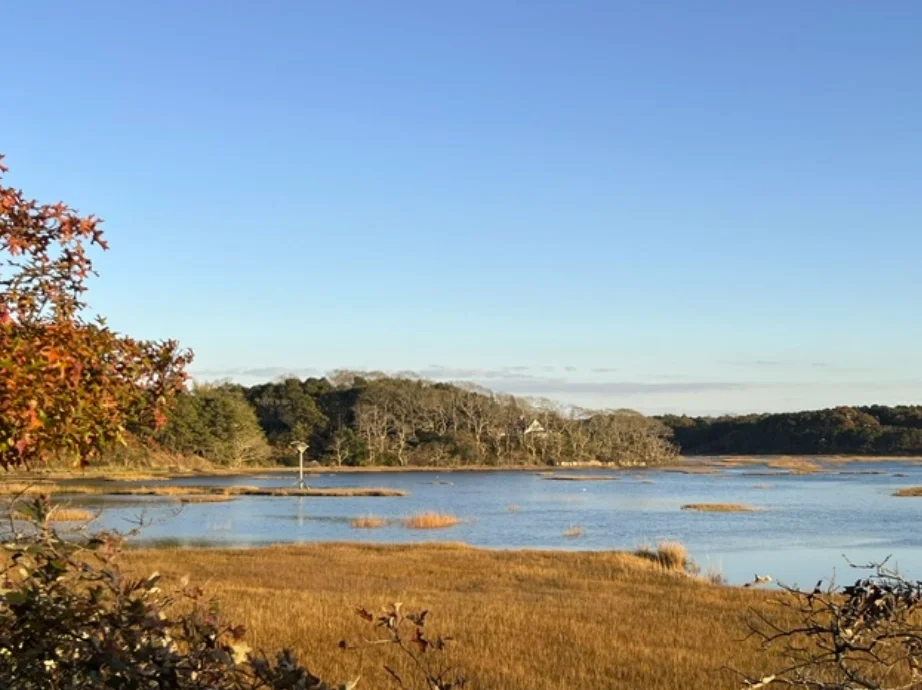
His reflections offered a glimpse into the present. In recent years, architecture, renovations, real estate, and other building projects have occupied much of his time. Now retired from his Boston job, he is immersed in designing and building a new home along the Pamet River in Truro.
In a recent conversation, Joe began filling in that story himself, recalling childhood visits to Truro, his training in steel sculpture, and the relationship between building, salvaging, and making art. The following segments incorporate these recollections.
Joe Fiorello’s connection to the Outer Cape began long before he exhibited art here. He traces his earliest Cape memories to childhood visits with his sister Patty to visit his grandparents. Summers spent on their small farm in Burlington, Massachusetts, included frequent trips to Truro, where his grandfather, a retired merchant mariner, visited old friends and took Joe to meet local fishermen. They also came to forage in Truro, returning as the season offered different things to gather.
Those early visits introduced Joe and Patty to the Portuguese households that welcomed summer boarders. Joe recalls his grandmother finding companionship and conversation with Portuguese women despite their different native languages.
In Truro, Joe hopes to bring some of his earlier work back into view and create new sculpture and paintings specifically for the house and surrounding landscape.
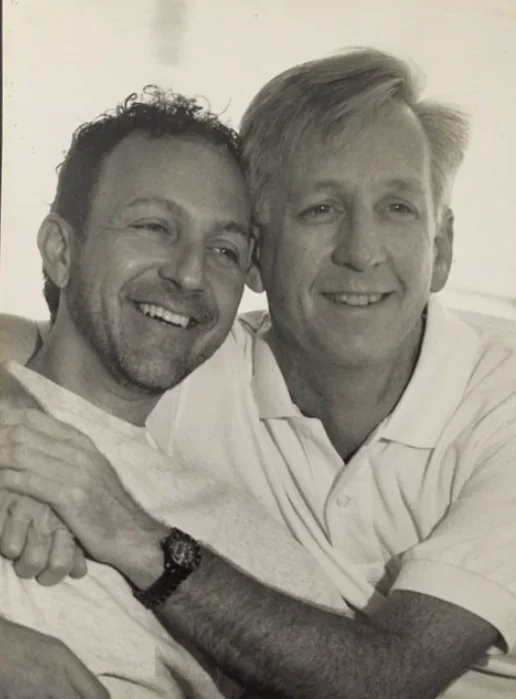
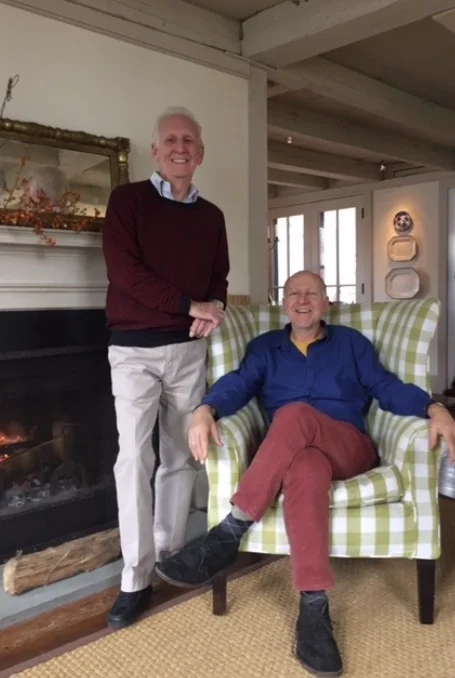
Joe and his partner of 50 years, Brian Hyde, are also avid collectors of other artists' work. Their home reflects a lifetime of appreciation for art, even as much of Joe's own work remains stored away, awaiting another opportunity to be seen.
Perhaps the most intriguing part of his response was his suggestion that we talk someday about how he first began making sculpture—a story he feels has not yet been fully told. That conversation remains ahead of us.
In the meantime, his reflections inspired this four-part series exploring Joe Fiorello's artistic life: the beginnings of his creative practice, the transformative experience of losing his studio to fire, his contributions to Provincetown's artistic heritage, and the new possibilities emerging along the Pamet.
This is more than a retrospective of one artist's accomplishments. It is a story about creativity, reinvention, community, and the extraordinary number of lives a work of art can have.
And, as Joe's own reflections suggest, it is a story that is still being written.
Next week: A devastating studio fire destroys years of Joe’s work. What emerges from the ruins becomes one of the most compelling chapters of his artistic life.