
Joe Fiorello: An Artist’s Life on the Outer Cape
An Original Four-Part Series ( Part 2 )
By Tracy Pease
For more than four decades, artist Joe Fiorello has been part of the creative fabric of Provincetown and Truro—making art, salvaging forgotten materials, curating the work of others, and helping sustain an arts community that has always understood the possibilities of reinvention.
There may be no more appropriate place than the Outer Cape for an artist fascinated by what can be reclaimed.
Here, the landscape itself is forever being rearranged. Wind moves dunes. Tides redraw shorelines. Salt and sun transform wood and metal. Buildings are repaired, repurposed and given another life. Objects that might look weathered or spent somewhere else can somehow seem perfectly at home in Provincetown or Truro.
Artist Joe Fiorello understands that language.
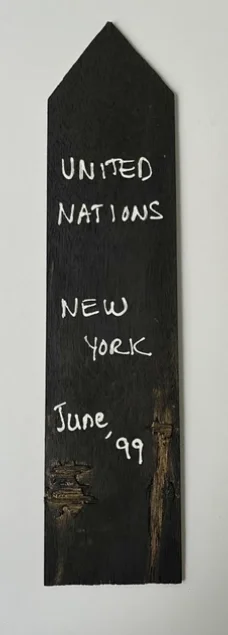
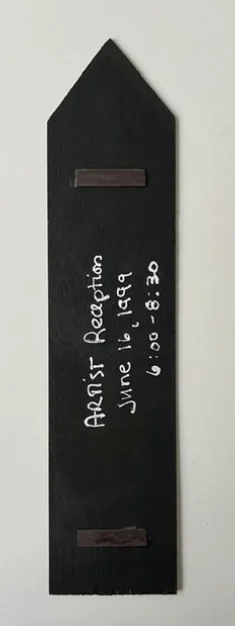
A sculptor, painter and printmaker, Fiorello has worked on the Outer Cape for more than 40 years. His art has taken him well beyond Cape Cod—to exhibitions in Boston, New York, Sarasota and Tampa and internationally to Kyoto, Tokyo and Sakai City, Japan. His sculpture has also been included in an invitational at the United Nations in New York. Yet Provincetown and Truro have remained central to his artistic life.
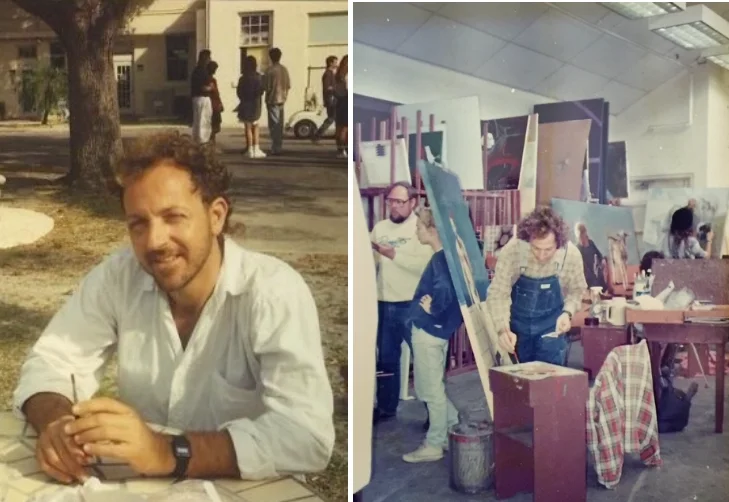
Born in 1953, he studied chemistry at the University of Massachusetts, Lowell and ultimately graduated with a business degree. He took sculpting classes at the Massachusetts College of Art, and later attended the Ringling College of Art and Design in Sarasota, graduating with a BA in Fine Art and Thesis in Sculpture.
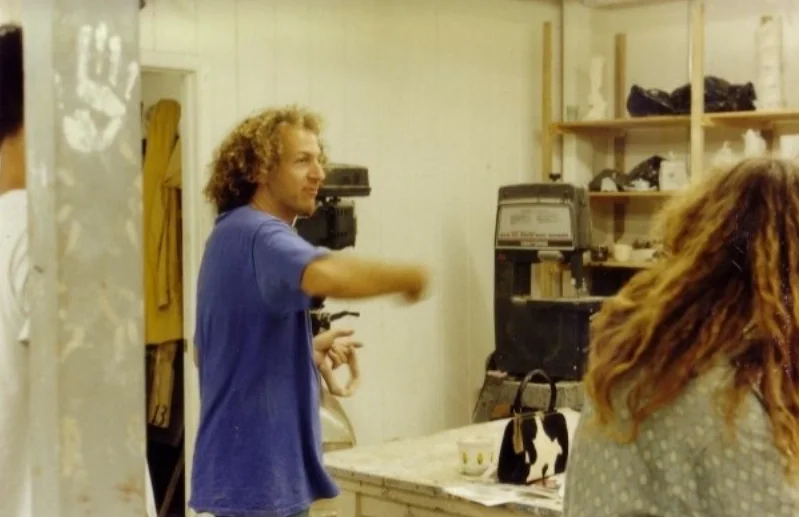
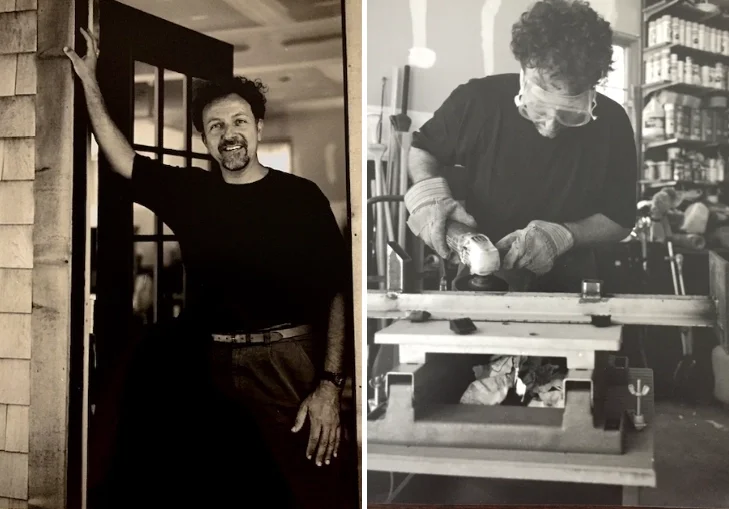
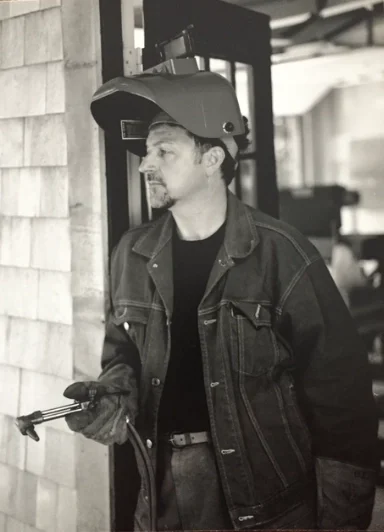
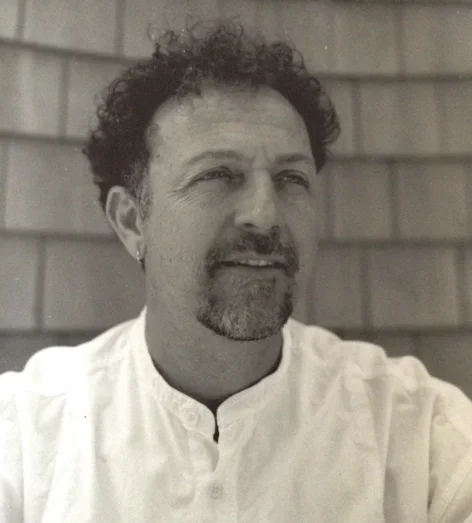
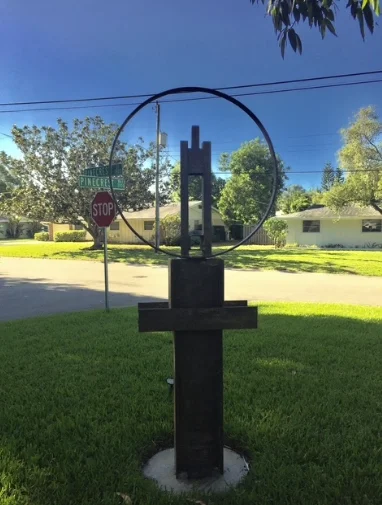
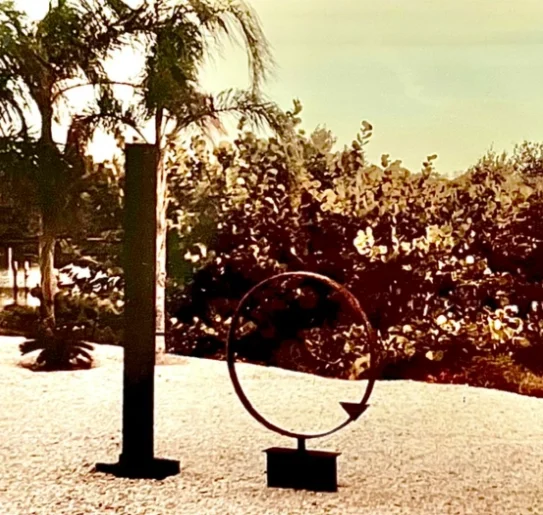
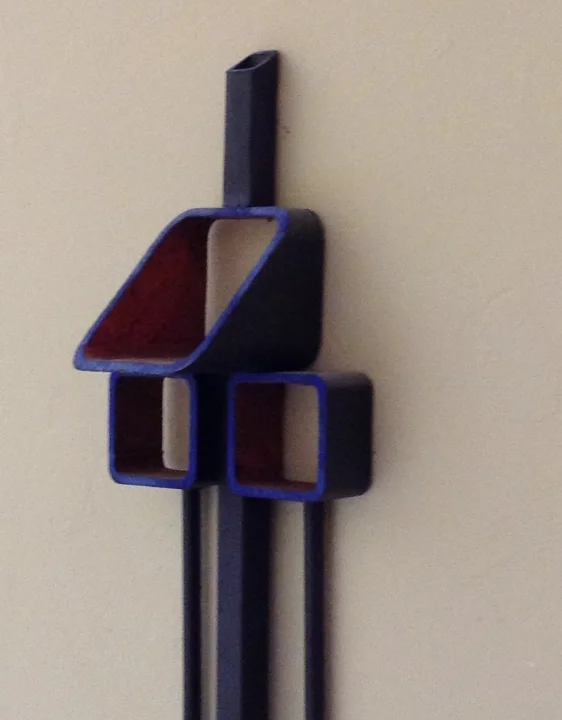
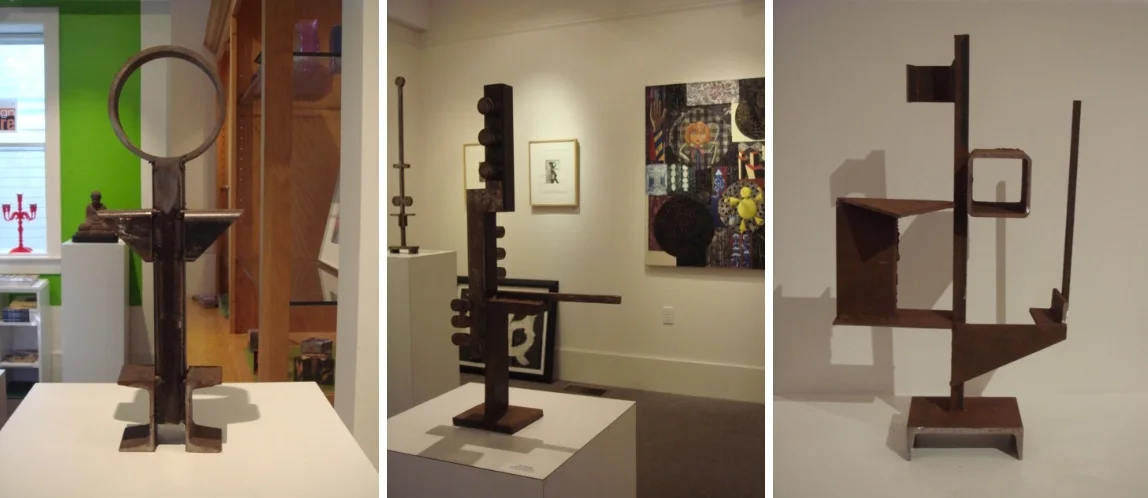
Over the course of his career, he has worked across disciplines, but some of his most distinctive sculpture has emerged from materials that other people have left behind: found steel, stone, organic matter, discarded building materials and objects recovered from construction sites, streets and even the Truro dump.
In Fiorello's hands, the discarded isn't necessarily finished. Sometimes it is just waiting for someone to look at it differently.
The Fire That Changed the Work
That idea of reclamation became intensely personal in 1995.
Fiorello was away on Cape Cod on July 4 when the studio he had been building in Sarasota was destroyed by fire. He later wrote that the fire consumed most everything in the studio, including approximately a decade of his work.
He had occupied the space only since the previous October and had been slowly transforming it into the studio he wanted. Suddenly, not only the building but years of accumulated artistic work were gone.
He returned to Sarasota to see what could be recovered. There was little. But on the flight back to Boston, something happened that says a great deal about an artist's instinct to continue. Fiorello began drawing.
He sketched ideas for a new building and continued drawing imagery associated with his surroundings in Truro—the landscape he had painted and drawn for years. Rather than representing an endpoint, the destruction of one studio gradually became the beginning of another body of work. The debris itself became material.
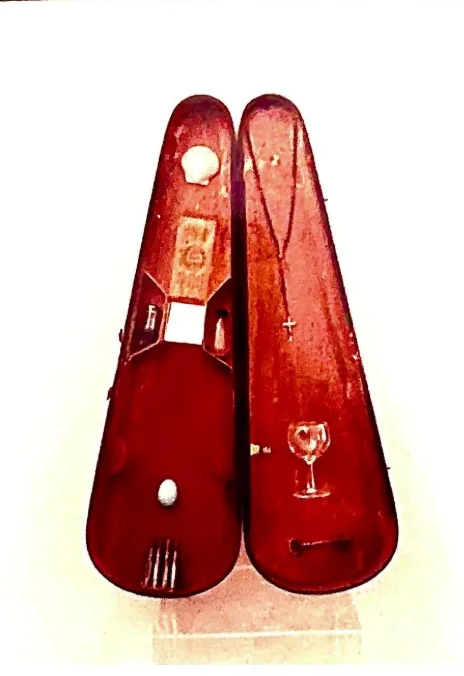
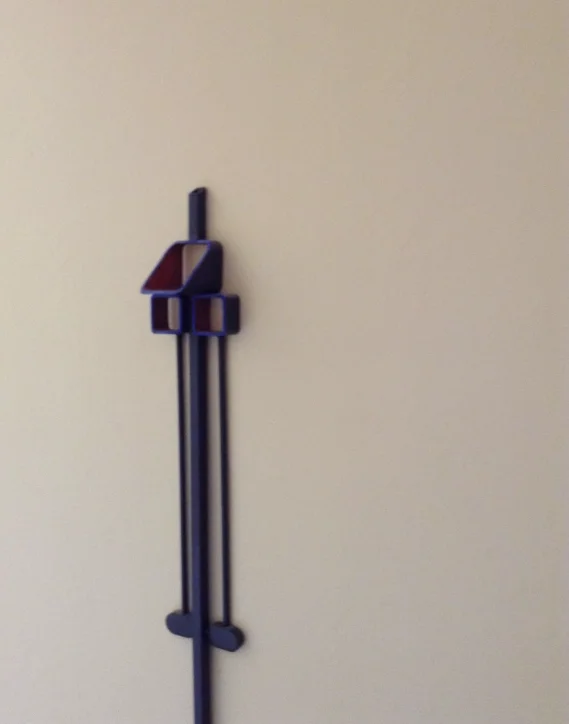
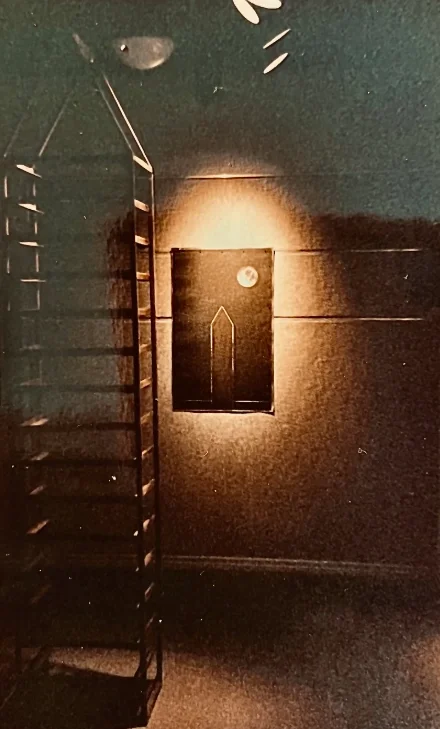
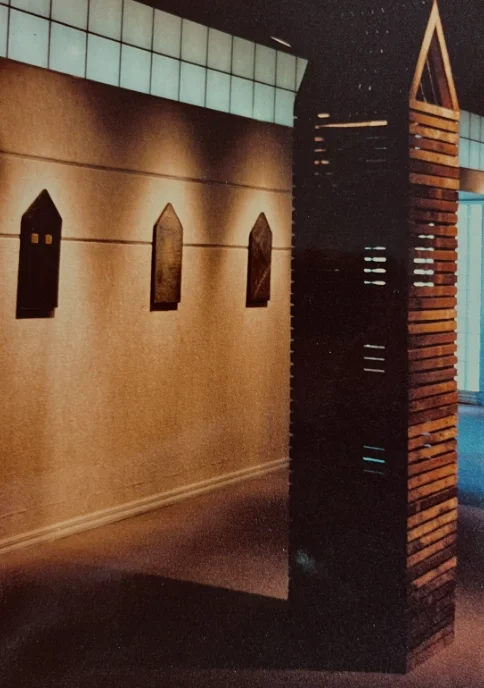
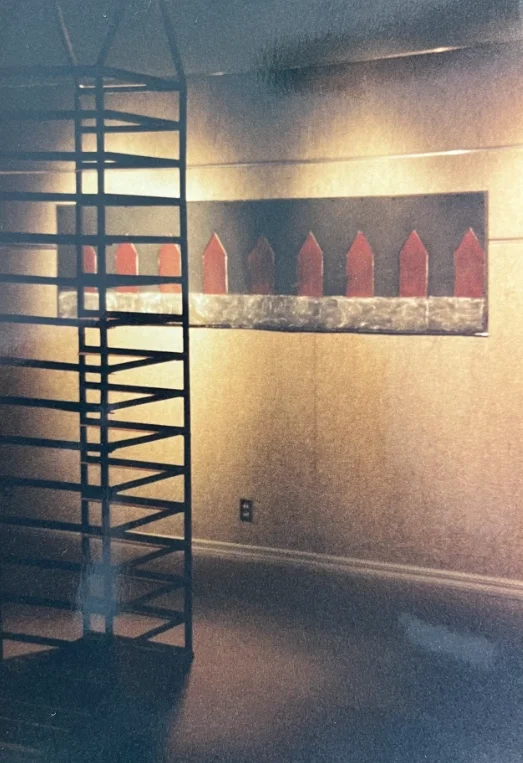
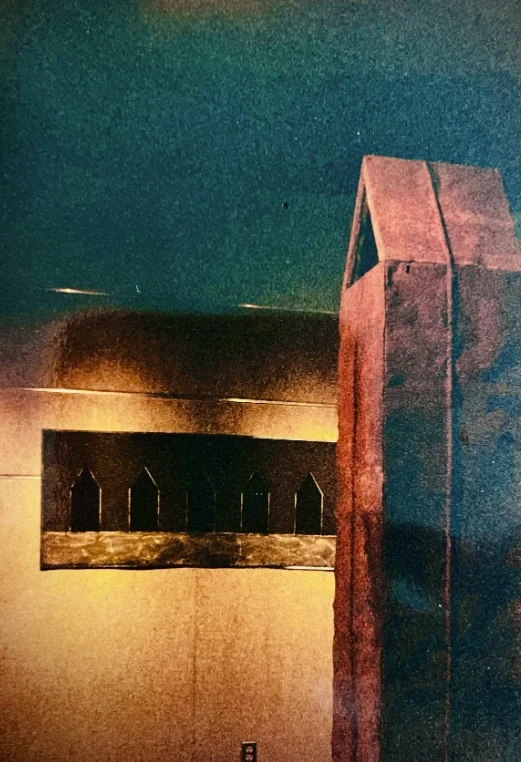
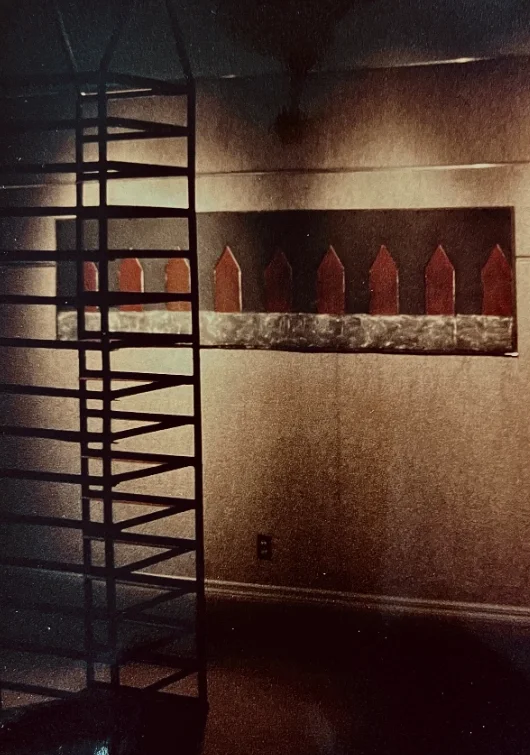
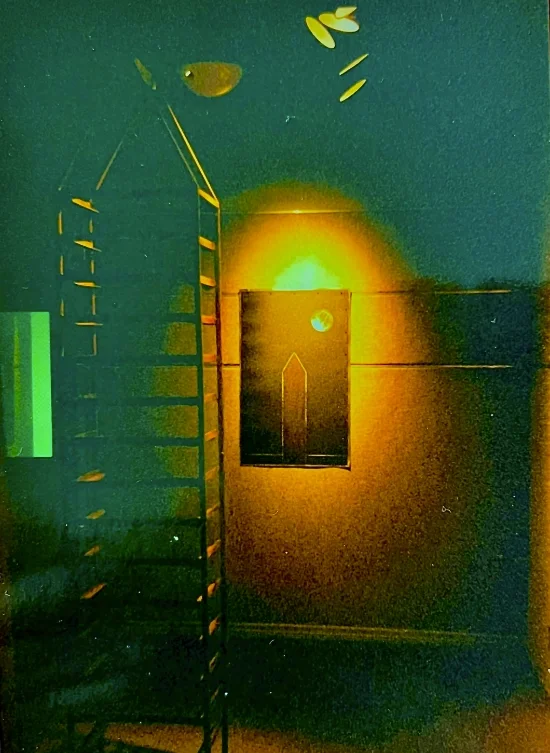
The resulting Reclamation work incorporated salvaged wood and other found materials, transforming physical evidence of destruction into new objects. It is difficult not to see something quintessentially Outer Cape in that process.
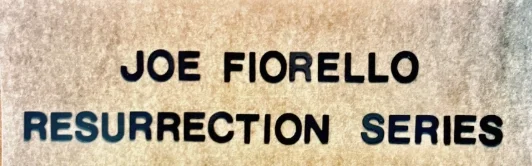
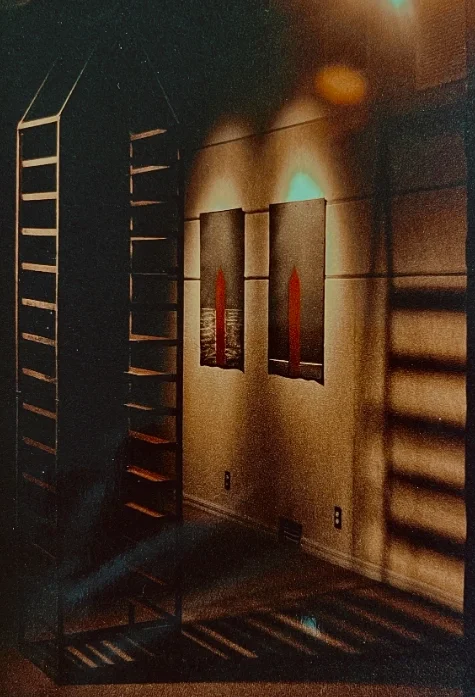
Joe explained that he already had an exhibition scheduled for December 1995. The July fire destroyed much of the work intended for that show, compelling him to make new pieces from the remains. He called the resulting body of work the Resurrection Series, a name that should be distinguished from his later Reclamation and Salvage Studio Material pieces.
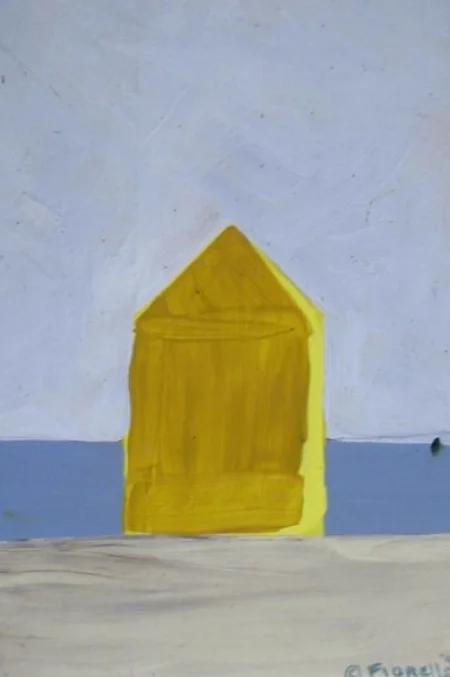
The Resurrection Series comprised 22 works, a number Joe chose in reference to the 22 Day’s Cottages in Truro. Some sculptures were constructed in pairs and followed a recurring house-like form. One incorporated sections of a bakery trolley damaged in the fire. With some irony, Joe recalls that viewers sometimes compared the upright forms to coffins.
Joe also described a two-year dispute over whether he could rebuild his Sarasota studio after town zoning changes. While the site remained without a building, its debris and open space continued to supply a “venue” and material for artwork. He later worked with wax and salvaged floorboards and wallboards in pieces he distinguished as Salvage Studio Material.
Provincetown and Truro are places where evidence of earlier lives is everywhere: old fishing buildings, timbers, boats, weathered houses, workshops, pieces of the working waterfront and structures that have survived generations of storms and changing economies.
Fiorello's work asks a simple but provocative question: When does something cease to be useful—and who gets to decide?
Next week: Joe’s influence reaches beyond his own studio into the galleries, museums, and artistic institutions that have helped define Provincetown for generations.