
Fishing, Family, and the Lessons That Last・A Life Well Lived: Stories from Provincetown to the World
Some lessons are taught.
Others are absorbed—quietly, patiently, over time.
For Tom Dirsa, many of life’s most important lessons came from the water.
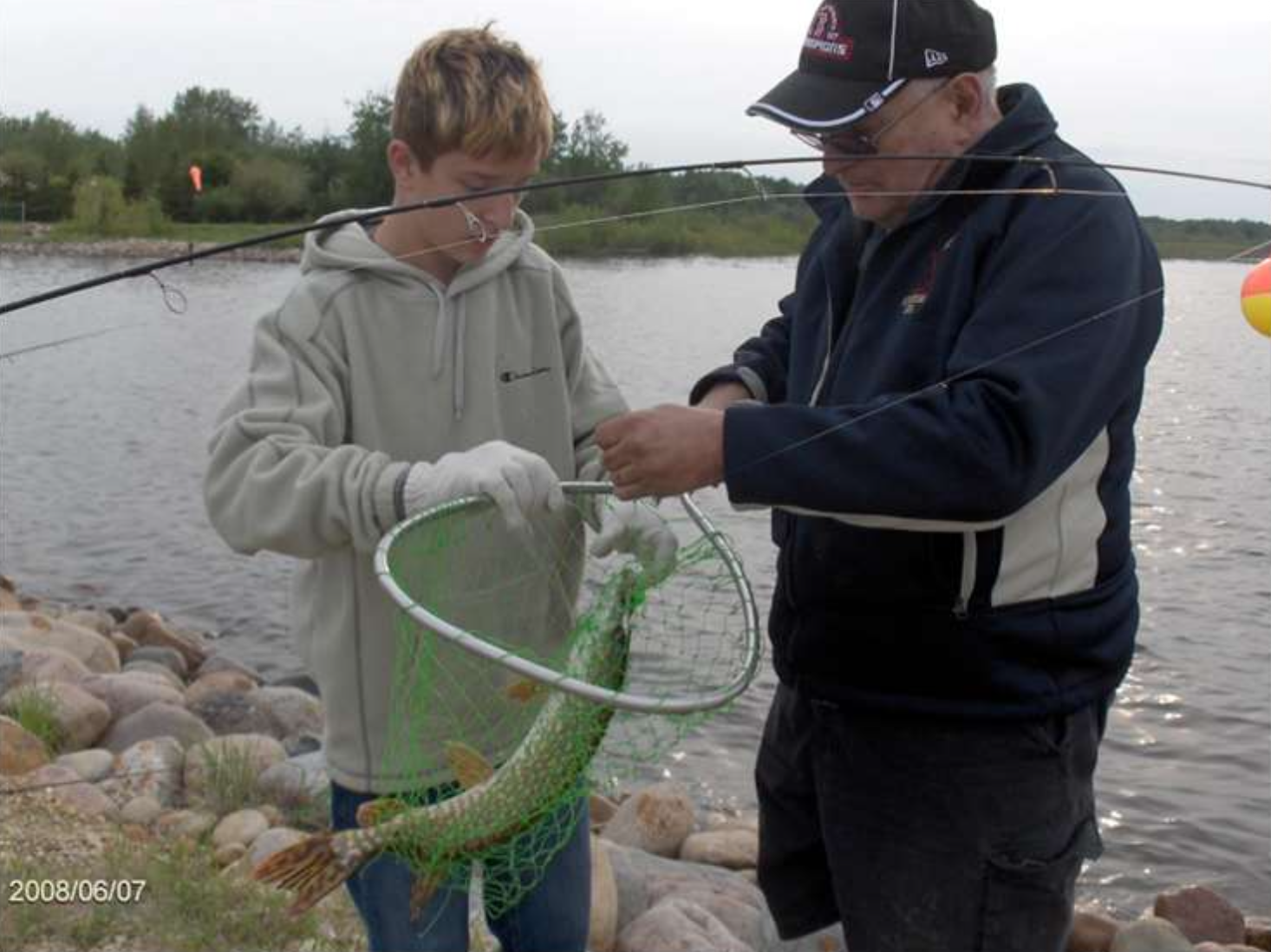
“My dad taught me how to fish,” he says. “But it wasn’t just about catching fish.”
It was about observation. Timing. Patience.
And knowing when to let something go.
Fishing in Provincetown wasn’t just recreation—it was culture.
It was also innovative.
Tom recalls his cousin David—known to many as Captain David—who embodied the kind of ingenuity that defined the town.
“He was one of the first guys to bring a phone out on the water,” Tom says. “A bag phone.”
While others returned to port hoping for a good price, David called ahead—from the out in the water.
“He’d call Boston, New Bedford and Provincetown markets and ask what they were paying per pound” Tom explains. “Then he’d say, ‘I’m out here equidistance from all three ports—what are you going to offer me to sell to you?’”
The markets adjusted to secure the order. The more fish they bought from the fishermen, the better reputation for sales. Year after year, it was the ports with markets that bought the most tonnage of fish, that drew the lion share of customers.
And soon the other fishermen followed.
David didn’t stop there.
After seeing canoes during a vacation in Hawaii, he engineered a stabilizing system informed by his observation of the “outrigger” for his own boat—it was two large weighty triangles mounted on pipes and secured with rope allowing him to fish with more stability in rougher waters. Anything to lengthen his me fishing.
Later, he incorporated early computer and sonar mapping technology to his craft.
“He knew every rock, every wreck and anchor on the ocean bottom,” Tom says. “He didn’t get hung up. That meant he kept fishing.” It gave Captain David a competitive edge—and a glimpse into the future.
For Tom, those experiences weren’t just memories, they became stories.
And eventually, those stories became books.
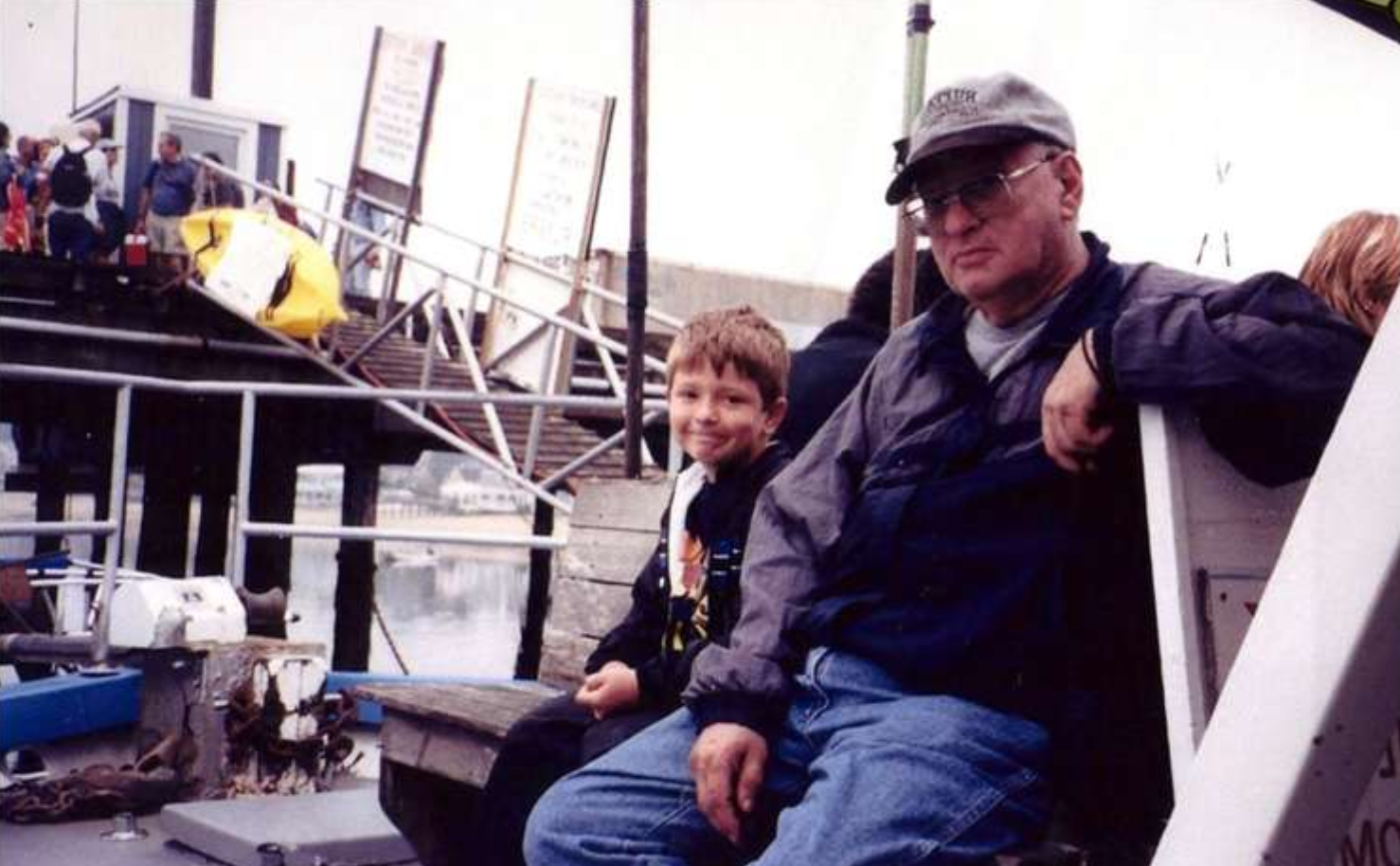
One of his most personal came from a day on the Cee-Jay fishing boat at McMillan Pier with his grandson.
Before they boarded, Tom did his best to set proper expectations. It was a great opportunity, but pricey and not repeatable. “So, I told him—this is a one- me thing. Don’t ask to go fishing on the boat again.”
On the water, I taught him how to place the bait and where; and how to pull the catch from the water if he caught something.
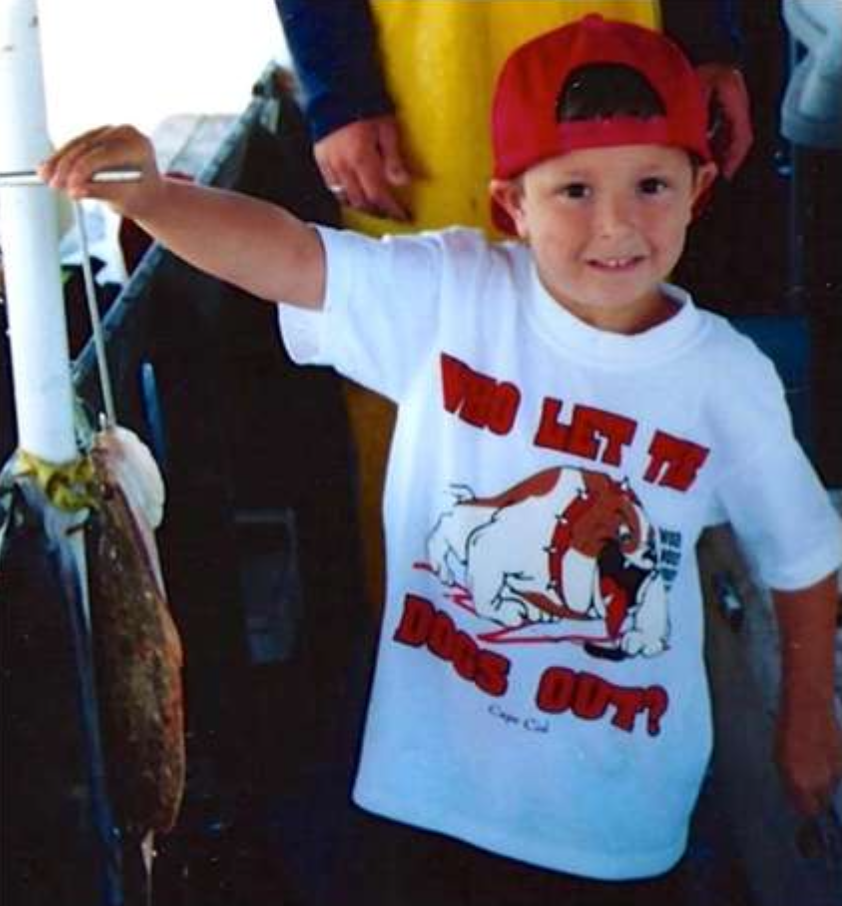
BJ, navigating ADHD and new experiences, learned quickly absorbing every detail with precision. By the end of the day, he had caught several fish – six in total.
Tom, meanwhile, had spent most of his time helping out. But they had enough for a nice fish fry at home.
“When we got off the boat BJ said, ‘Grandpa, how many fish did you catch?’” Tom recalls. I said, ‘I spent all day feeding them’” he laughed.
They walked further down the pier.
“Then he said, ‘Grandpa, you need fishing lessons.’” I remained quiet but relayed the story to my wife and daughter upon our arrival home.
“You can probably guess what happened next. Yep! We did go back to the Cee Jay at McMillan Pier, but this me it was with my wife and daughter in tow. I realized that day that my daughter had never been fishing before. This time, the roles had shifted. BJ became the teacher—showing his mom everything he had learned the day before.”
“I realized,” Tom says, “he wasn’t just learning—he was remembering.” And in that moment, the lesson came full circle.
Coming Next Week: Part 3 - Baseball, Education, and Stories That Teach